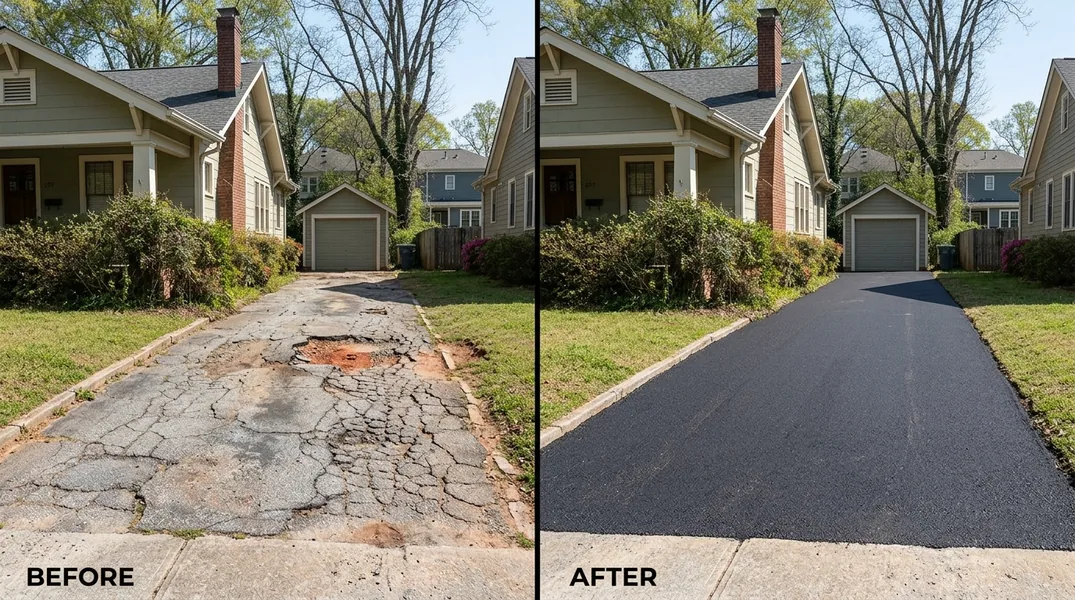
The Typical Lifespan of Asphalt Driveways in Atlanta
If you own a home in Atlanta, you've probably wondered how long your asphalt driveway will actually last. The short answer is that most asphalt driveways have a lifespan of 15 to 20 years under normal conditions. However, in Atlanta's specific climate and soil composition, several factors can either extend or shorten this timeline significantly.
The foundation of your driveway's longevity begins with proper Asphalt Driveway Paving & Installation. When installed correctly by experienced professionals, your driveway starts with the best possible chance of reaching or even exceeding the 20-year mark. However, poor installation, inadequate base preparation, or substandard materials can reduce your driveway's lifespan to as little as 10 years. This is why choosing a reputable local contractor matters enormously for Atlanta homeowners.
How Atlanta's Climate Impacts Your Asphalt Driveway
Atlanta's subtropical climate presents unique challenges for asphalt durability. The region experiences hot, humid summers with temperatures regularly exceeding 90 degrees Fahrenheit, combined with mild winters that occasionally dip below freezing. This temperature fluctuation causes asphalt to expand and contract repeatedly throughout the year, creating stress on the material that accelerates wear and tear.
The intense UV radiation from the Georgia sun is particularly harsh on asphalt surfaces. Over time, ultraviolet exposure breaks down the binder that holds asphalt together, causing the surface to become brittle and prone to cracking. Additionally, Atlanta's frequent afternoon thunderstorms and high humidity levels mean your driveway is constantly exposed to moisture. Water penetrates small cracks and seeps into the base layer, weakening the structural integrity of your driveway from underneath. Heavy rainfall can also cause pooling and drainage problems that further deteriorate the asphalt, making proper grading and maintenance essential for Atlanta homeowners.
Clay Soil and Drainage: Atlanta's Hidden Driveway Challenge
One of the most overlooked factors affecting asphalt driveway lifespan in Atlanta is the region's predominant clay soil composition. Clay soil is dense and has poor drainage characteristics, meaning water doesn't percolate through it easily. When water accumulates beneath your asphalt driveway, it creates hydrostatic pressure that pushes upward, weakening the base layers and causing the asphalt to heave, crack, and eventually fail prematurely.
This drainage problem is compounded during Atlanta's wet seasons when the water table rises. If your driveway wasn't installed with proper drainage solutions, you're essentially fighting a losing battle against moisture intrusion. The combination of clay soil, high humidity, and inadequate drainage can reduce your driveway's lifespan from 20 years to 12 to 15 years or less. This is why professional installation that accounts for Atlanta's specific soil conditions is critical. Experienced contractors understand the importance of proper base preparation, gravel layers, and slope design to direct water away from the driveway structure.
Warning Signs Your Asphalt Driveway Needs Attention
Rather than waiting until your driveway fails completely, it's smart to recognize early warning signs that repairs or resurfacing may be needed. Small cracks are often the first indicator that your asphalt is beginning to deteriorate. These cracks allow water to penetrate the surface, so addressing them early through Driveway Repair can prevent more serious damage. Alligator cracking, which looks like a network of interconnected cracks resembling alligator skin, indicates that the base layer is failing and more extensive work may be necessary.
Other warning signs include potholes, fading color, soft or spongy areas, and visible separation between the driveway and the garage or home foundation. If you notice standing water or puddles that don't drain after rain, this suggests drainage problems that need immediate attention. Rutting or depressions where your tires regularly roll indicate that the asphalt has lost structural integrity. Depending on the severity and extent of damage, you may need Pothole Repair & Asphalt Patching for isolated problems, or Asphalt Resurfacing & Overlay if damage is more widespread. The key is addressing issues before they compromise the entire driveway structure.
Extending Your Driveway's Lifespan: Maintenance and Prevention
The most cost-effective way to maximize your asphalt driveway's lifespan is through consistent maintenance. Seal coating your driveway every two to three years creates a protective barrier against UV rays, moisture, and oxidation. This relatively inexpensive preventive measure can add years to your driveway's life and is one of the best investments you can make as an Atlanta homeowner. Regular seal coating helps maintain the flexibility of the asphalt, reducing crack formation and water penetration.
Beyond seal coating, keep your driveway clean by removing debris, leaves, and dirt that can trap moisture. Fill small cracks promptly before they expand into larger problems. Keep your gutters and downspouts functioning properly so that roof water is directed away from the driveway edges. If you live in an area prone to standing water, consider improving drainage around your driveway. During winter months, avoid using salt-based ice melts, which can accelerate deterioration. Instead, use sand or calcium chloride products that are less damaging to asphalt. These simple maintenance habits can realistically extend your driveway's lifespan by several years, saving you significant money in premature replacement costs.
When to Replace Your Asphalt Driveway: Signs It's Time
Even with excellent maintenance, there comes a time when repair and resurfacing are no longer cost-effective solutions. If your driveway has reached 18 to 20 years of age and shows extensive damage, replacement is likely the most economical choice. Additionally, if repairs are needed in more than 30 percent of the driveway surface, or if you're facing multiple expensive repairs within a short timeframe, full replacement becomes the smarter investment. A new driveway typically costs more upfront than repairs, but it provides a fresh start and warranty protection that repairs cannot offer.
When you're ready to explore replacement options or get professional guidance on whether repair or replacement makes sense for your situation, contact Atlanta Asphalt Paving at (678) 884-4654 for a free estimate. Our team has extensive experience with Atlanta's unique climate and soil conditions, and we can help you understand your driveway's current condition and the best path forward. Whether you need minor repairs, resurfacing, or complete replacement, we're here to ensure your driveway lasts as long as possible while maintaining both safety and curb appeal.
Looking for a professional asphalt paving contractor in Atlanta? Atlanta Asphalt Paving responds fast for all your asphalt paving needs.
Get a Free Quote